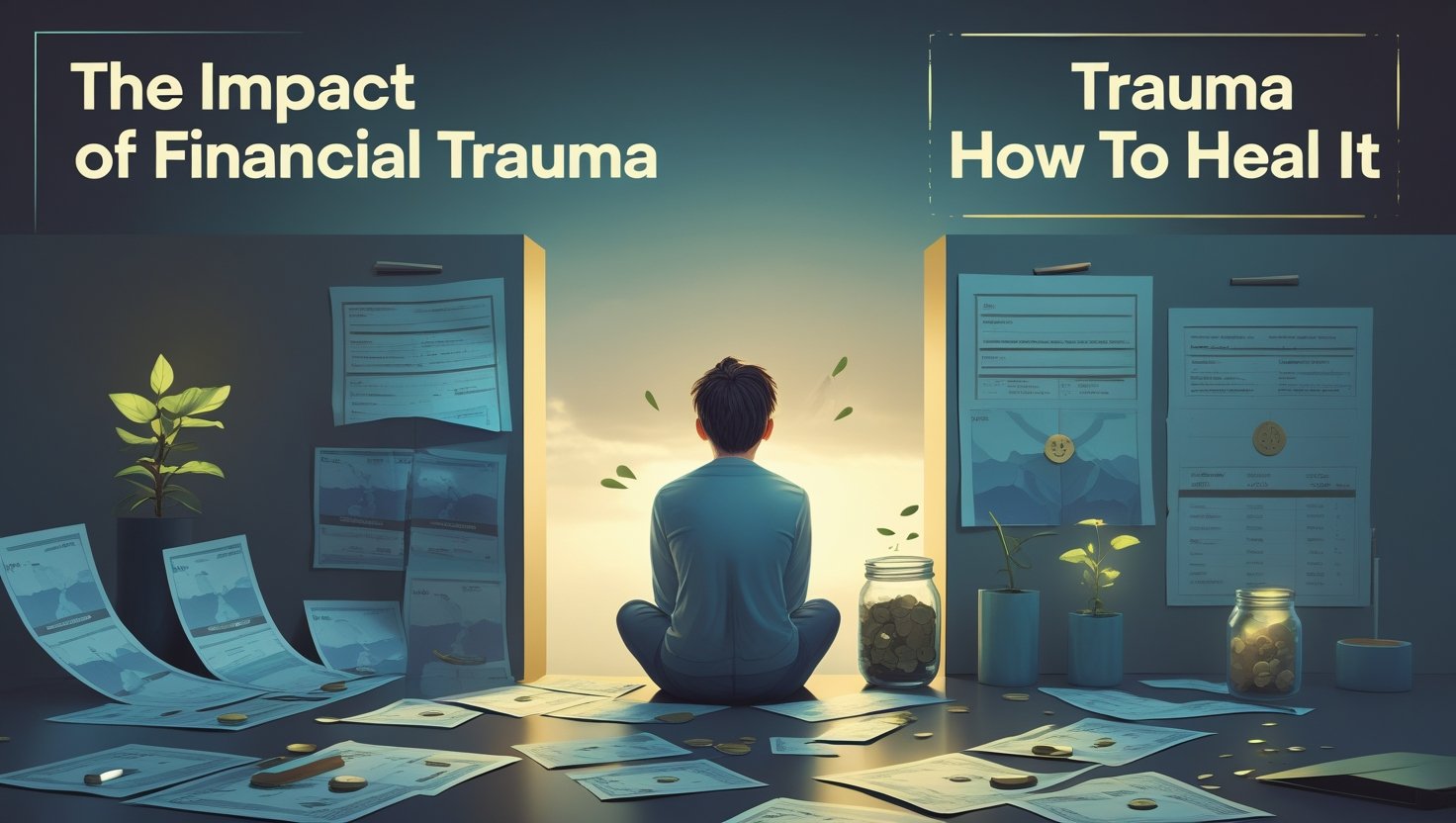
Financial trauma is an emotional and psychological condition that a person faces due to bad experiences related to money. This trauma can also happen due to any financial loss, like losing a job, going bankrupt, or facing extreme poverty in childhood. But this trauma is not just caused by loss of money but by feelings related to money like shame, guilt, fear, or helplessness. Financial trauma is often not understood because people think that money issues can be solved only by budgeting or saving. But in reality, if a person has suffered emotional injuries related to money, then its effect on their decision-making extends to self-esteem and relationships.
Some people get anxious even at the mention of money and they start running away from their finances Some people become over-controlled and want to save every money while some people get carried away by impulsive spending All these are symptoms of financial trauma It is important to understand this trauma because until you understand the root of the problem, you will keep trying only for surface-level solutions The purpose of this introduction is that we understand that financial trauma is a real and valid experience and it is a unique journey for every person to feel it and come out of it and The first step in this journey is to recognize the trauma.
Common Causes of Financial Trauma:
There can be many different reasons behind financial trauma, and every person’s experience is different, but there are some common situations that create emotional wounds for most people. The first reason is job loss. When a person suddenly loses his job and he has no backup, his financial security is completely shaken, and he feels that everything is out of his control. Another common reason is childhood poverty. When a child is in a financial crisis, a fear, guilt, and scarcity mindset develops in him, which continues to follow him even when he grows up. The third reason is financial abuse.
Someone has forcefully controlled you financially or your resources have been used without your consent The fourth major cause is debt When a person is burdened with loans and is unable to repay them, he feels constant shame and anxiety and keeps blaming himself Bankruptcy or a sudden emergency like medical bills or accident can also be the cause of a serious financial trauma Some people face this trauma even after a divorce or business collapse All these experiences create a feeling of insecurity and loss of control within a person and if not addressed in time, it can affect emotional health and daily life It deeply affects the body, hence understanding these causes is very important in the healing process.
Signs and Symptoms of Financial Trauma:
Financial trauma often stays silently inside a person, but its effect is seen in everyday life. There are some common signs of this trauma, like extreme anxiety. Whenever there is a mention of money or a bill comes in front of the person, the person feels terrified. Apart from this, many people avoid finances; they do not check their bank account, postpone bills, or run away from budgeting. Some people become overly frugal after this trauma; that is, they are always trying to save money, whether they need it or not. Some people go into impulsive spending. They start considering shopping as a treatment for their emotions. Another symptom is guilt or shame.
After every financial decision, they feel that they have made a mistake or that they never deserved financial success Trust issues develop with many people and they do not discuss money with anyone They feel that everybody will take advantage of them The effect of this trauma is not just limited to spending or saving habits but it also deeply affects relationships, self-image and future planning This cycle of financial trauma continues until the person recognizes and addresses it Therefore, it is important to understand these symptoms help can be taken at the right time and unhealthy patterns can be replaced.
The Psychological and Emotional Effects of Financial Trauma:
Financial trauma is not just limited to money; it also has a deep impact on the mind and emotional state of a person. When a person is a victim of financial trauma, their confidence gets hurt. He feels that he is not capable of handling his money. This thought affects his self-worth, and he feels doubt in every decision. Many people blame themselves, and shame sits so deep inside them that they are afraid to ask for help from anyone. Guilt is also a common feeling, especially if someone feels that they have not done anything for them. You failed your family, or your decisions put someone else in trouble Emotional effects include feelings of depression, anxiety and even hopelessness For many people, money becomes a constant source of stress and they start thinking negatively about the future all the time Relationships are also affected due to this trauma People become secretive or engage in fighting and controlling behavior.
The emotional burden becomes so heavy that the person even loses interest in life. The impact of financial trauma is long-term, and if it is not addressed, it can be transferred to the next generation. Therefore, we must understand that this trauma is real and its Treatment is just as important as any other emotional wound.
Steps to Begin Healing from Financial Trauma:
The process of healing from financial trauma is a time-taking journey but it is possible The first step is to acknowledge your trauma Many people live in denial that they have an emotional issue related to money but until you accept it, you cannot move forward The second step is to explore your financial past i.e. understand which situations created this fear, guilt or shame in you The third step is to take small steps You do not have to become perfect immediately but rather make small improvements like starting budgeting, developing a small saving habit or Talking financially with a trusted person.
If the trauma is deep, taking help from a financial therapist or counselor is also very beneficial because they guide you on both the emotional and financial sides Self-compassion is also an important part of healing Being gentle with yourself and understanding that you are a human who has gone through difficult times Education also helps a lot When you learn about money, your confidence increases and fear reduces In the end, consistency and patience are important because healing does not happen in a day But if you remain committed in this process, you gradually start taking back control over yourself and start exercising financial independence they are flowing towards.
Conclusion:
Going through financial trauma is a painful experience, but it doesn’t end there. If you start to understand the trauma and face it, you can take back control and start a new financial life. The healing process is slow, but each step makes you emotionally and financially stronger. When you accept your shame, guilt, and fear and work on them, you can rewrite your financial story. The most important thing in this process is to believe in yourself and appreciate even the smallest victories.
Do this. Educate yourself, seek support, and take regular small actions. All these things lead you to a healthy and secure financial future. Recovering from financial trauma is not just a matter of fixing the numbers. It is also an emotional transformation in which you become free from your past and secure your future with new tools. Every person’s financial pain is valid and has the right to healing. The message of this conclusion is that if you are ready, you can take back your financial control and move towards a better and peaceful life.